The history of the Suntaži Orthodox community dates back to 1847, when it needed a place of worship for the congregation.

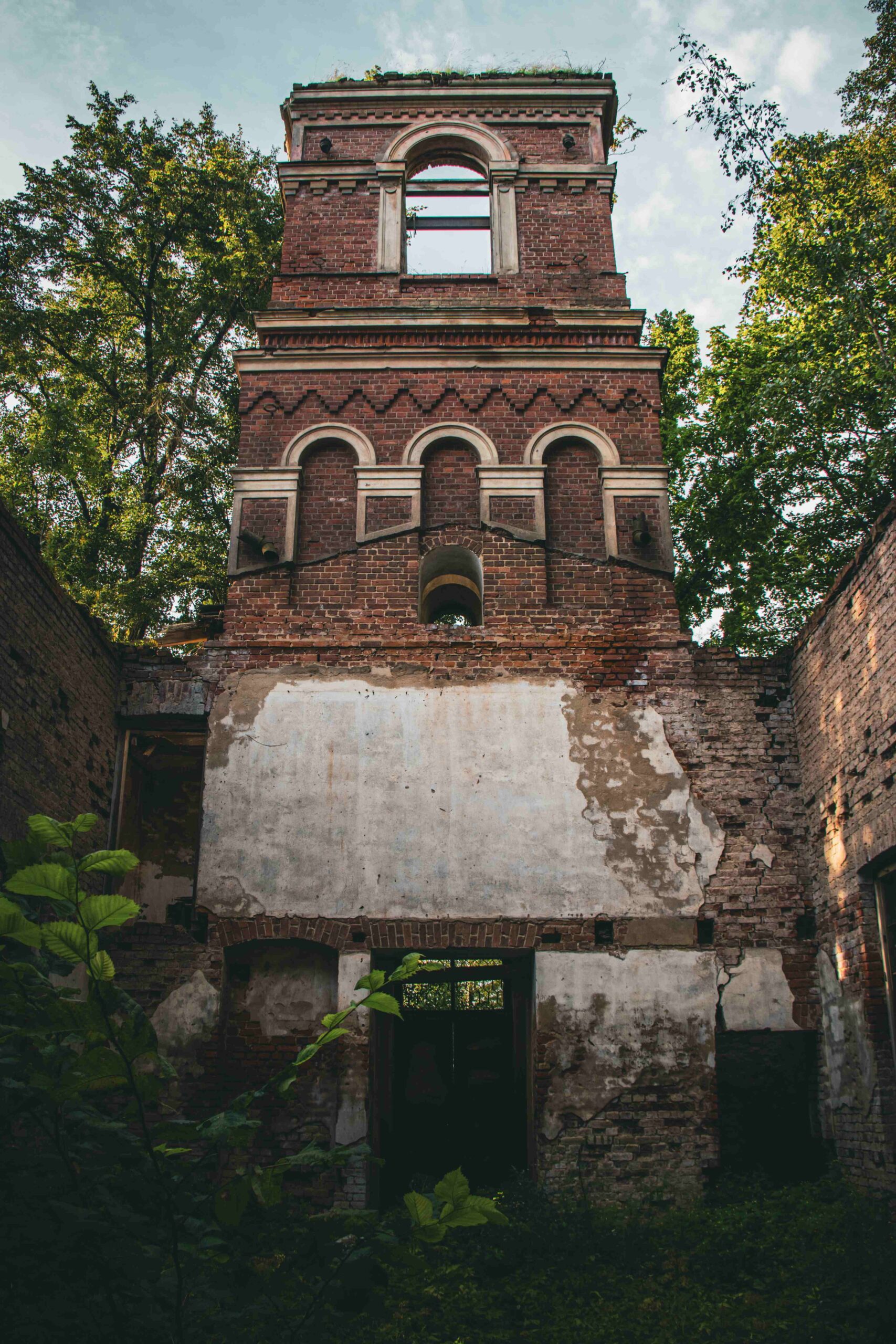
The history of the Suntaži Orthodox community dates back to 1847, when it needed a place of worship for the congregation.
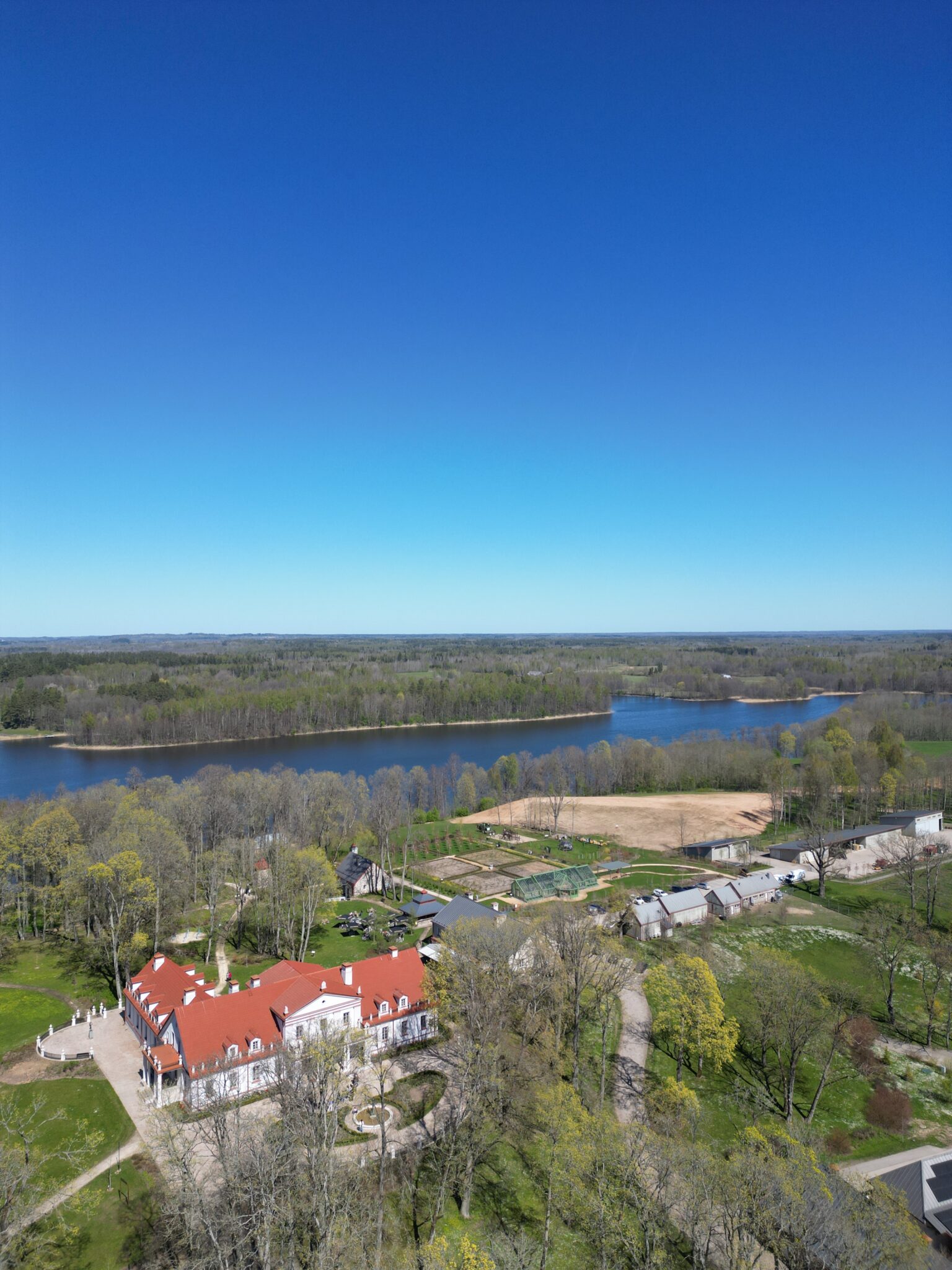
The Rokiškis region is rightfully considered one of the richest regions in Lithuania in terms of abundance of manors. Majestic palaces, shady linden alleys, and the stories of noble families create a special atmosphere here. Let’s embark on a tour of the region’s most significant estates.
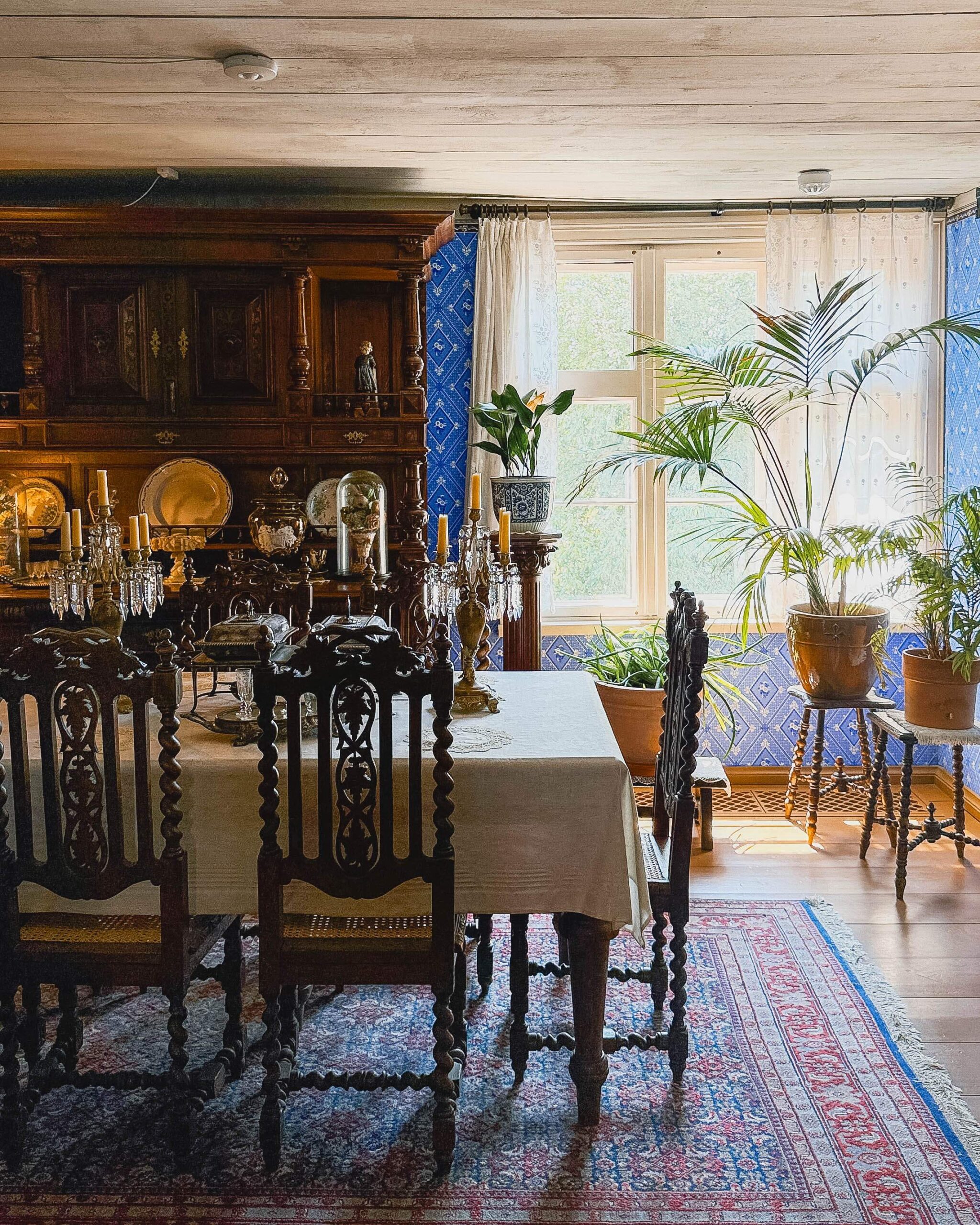
In the heart of Liepaja, you will find a unique architectural monument: “Mrs. Heuer’s Guesthouse.” This restored historic building is more than just a museum; it’s an atmospheric journey through time, revealing the stories of two families and two different eras. If you want to experience the spirit of old Liepaja and discover the everyday life of bygone centuries, this museum is a must-see.
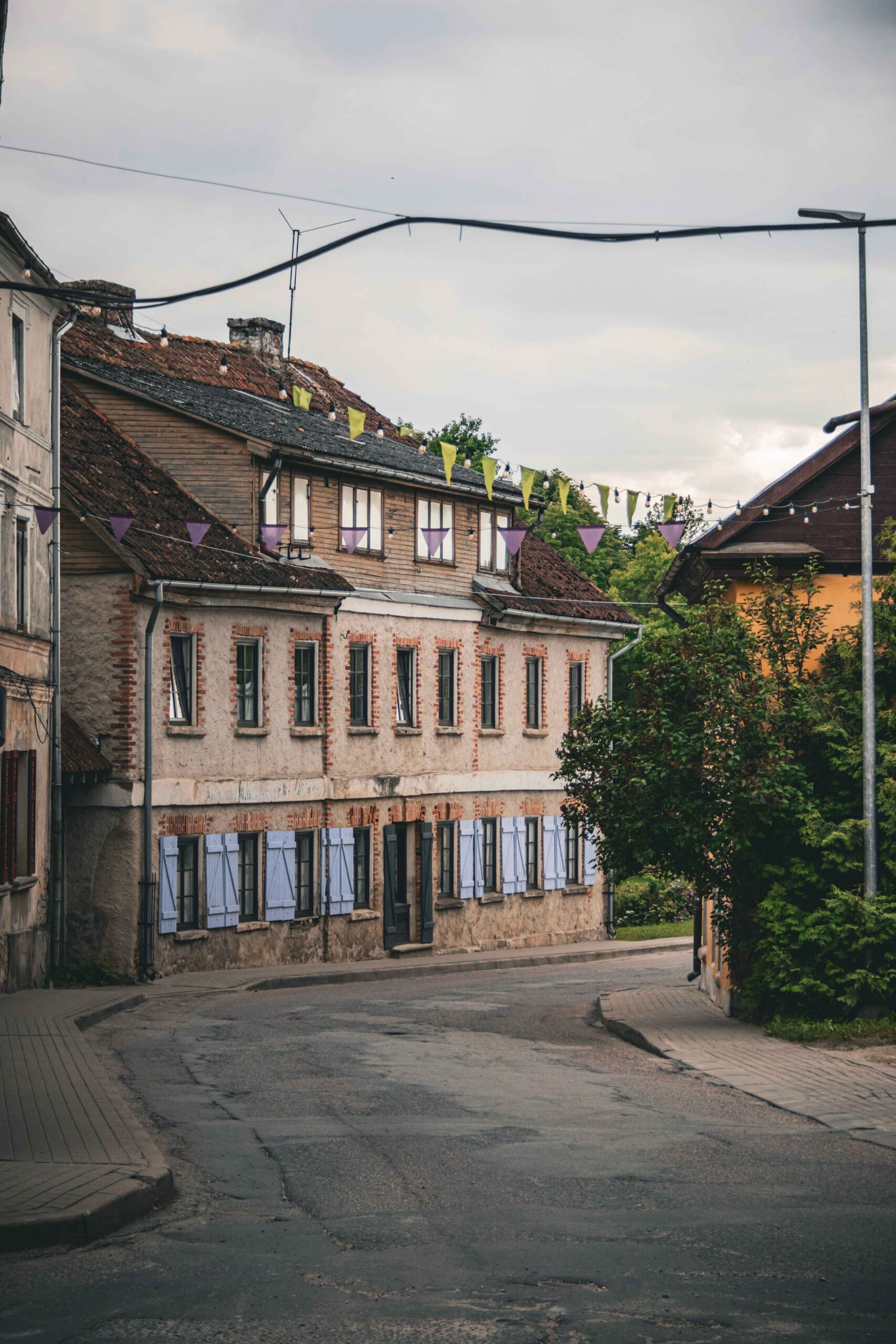
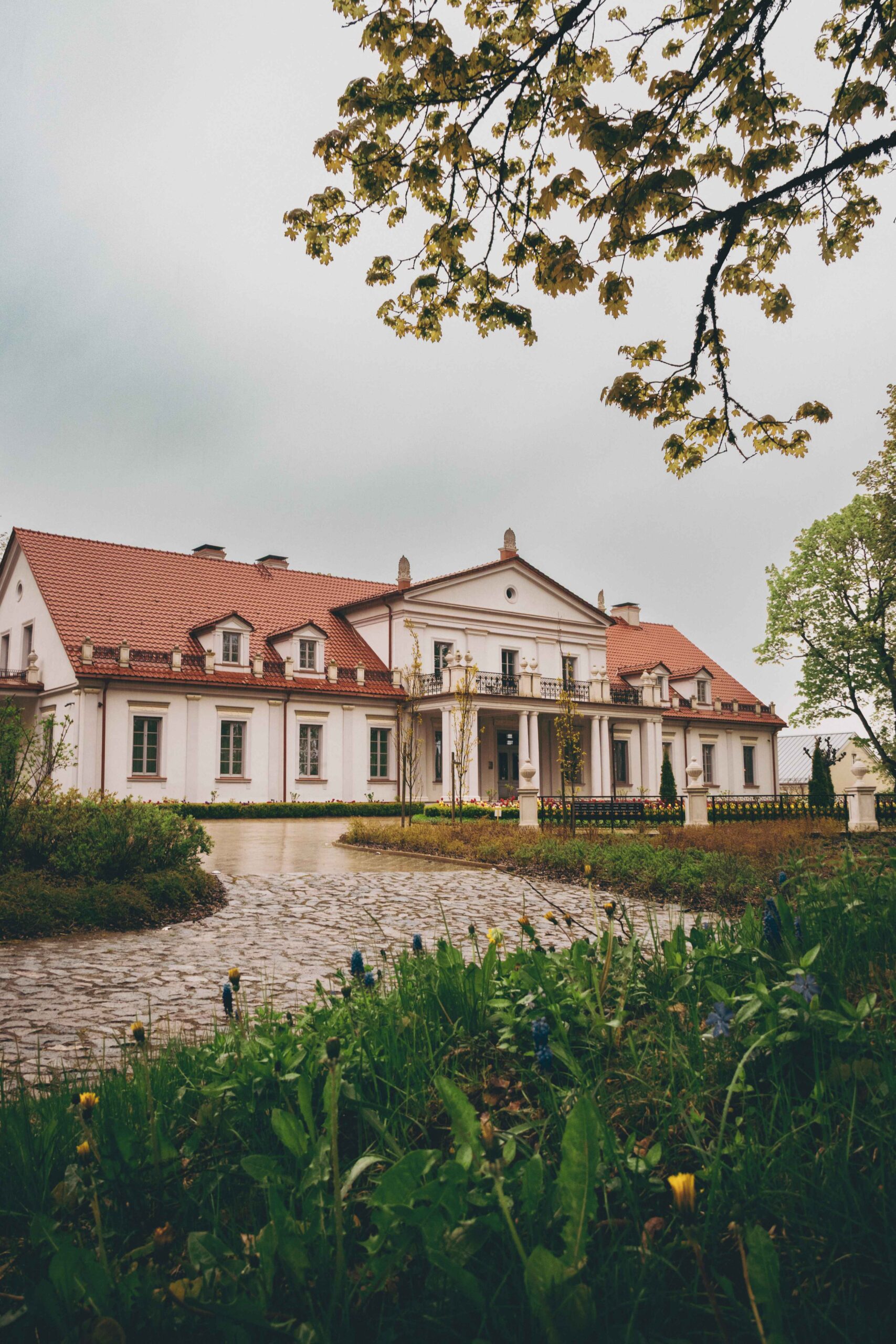
Founded by Baron Bernd Kerszenboeck I of the Livonian Order, the manor was first mentioned in 1515. Throughout its history, it has changed its hosts several times and survived wars and important historical events.
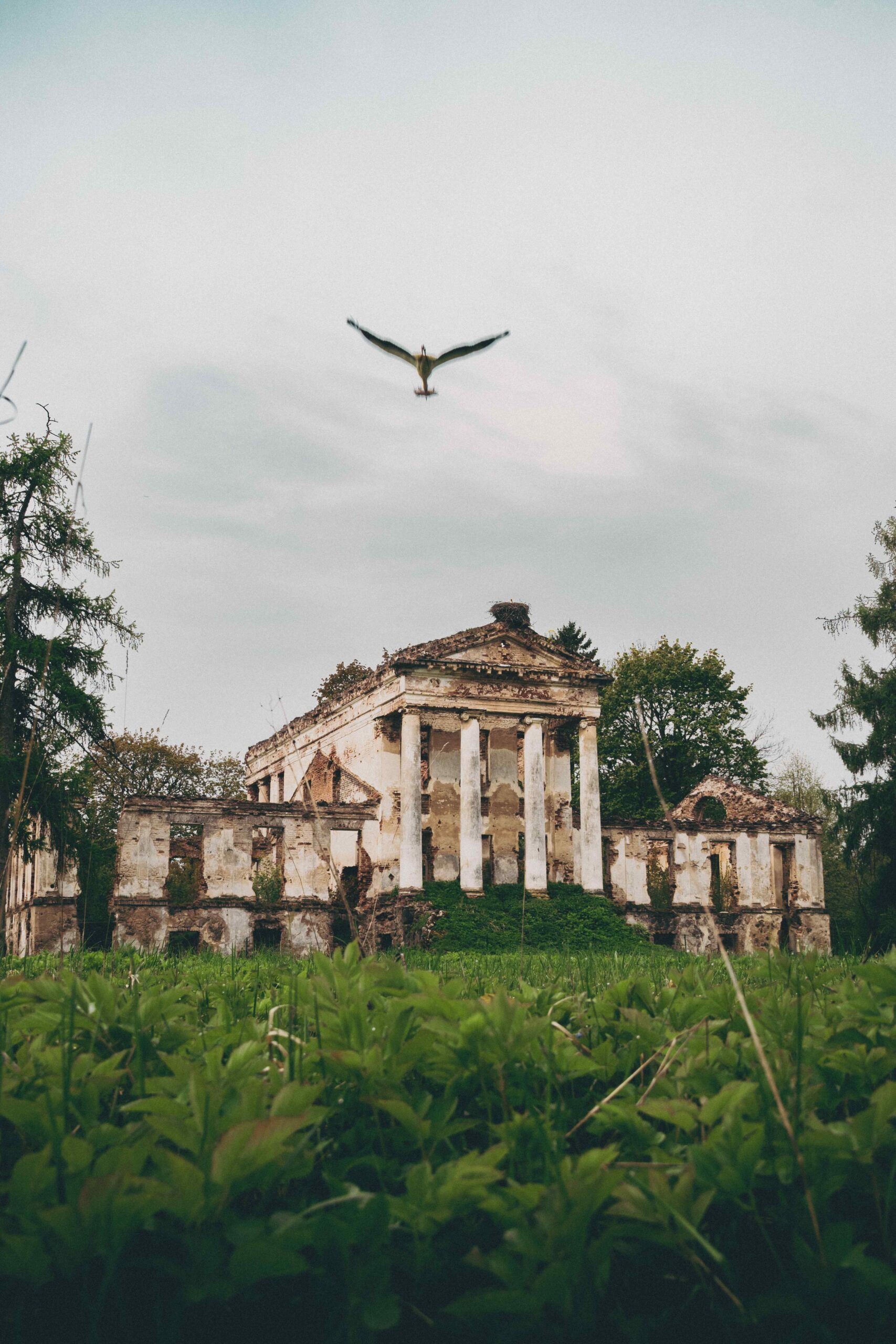
The manor was first mentioned in the 16th century. It reflects the tastes of the Lithuanian nobility of that time.
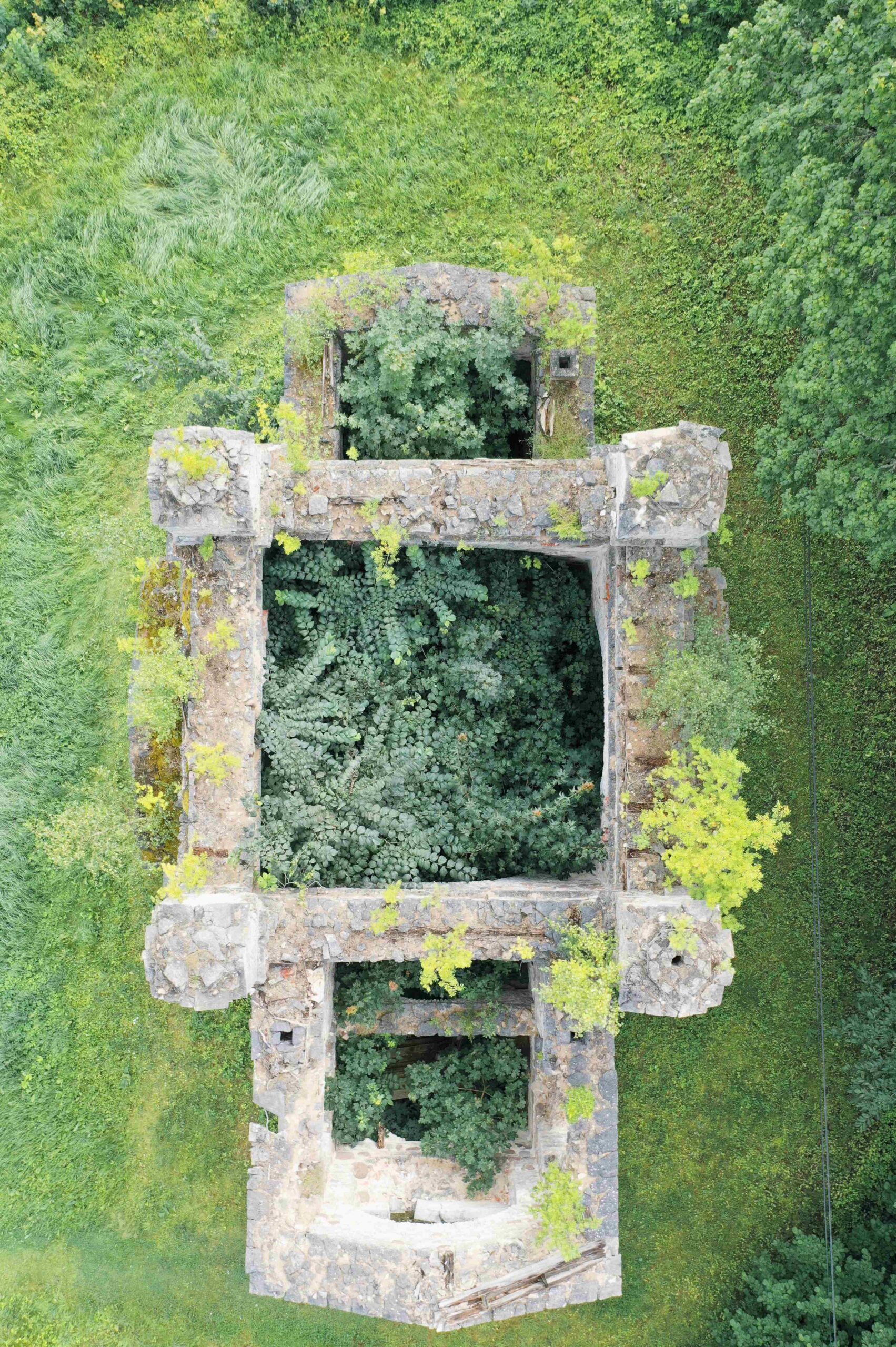
The church was built in 1873 according to the designs of architect Heinrich Scheel. A parish school building was erected nearby, accessed by a linden alley having survived till nowadays.
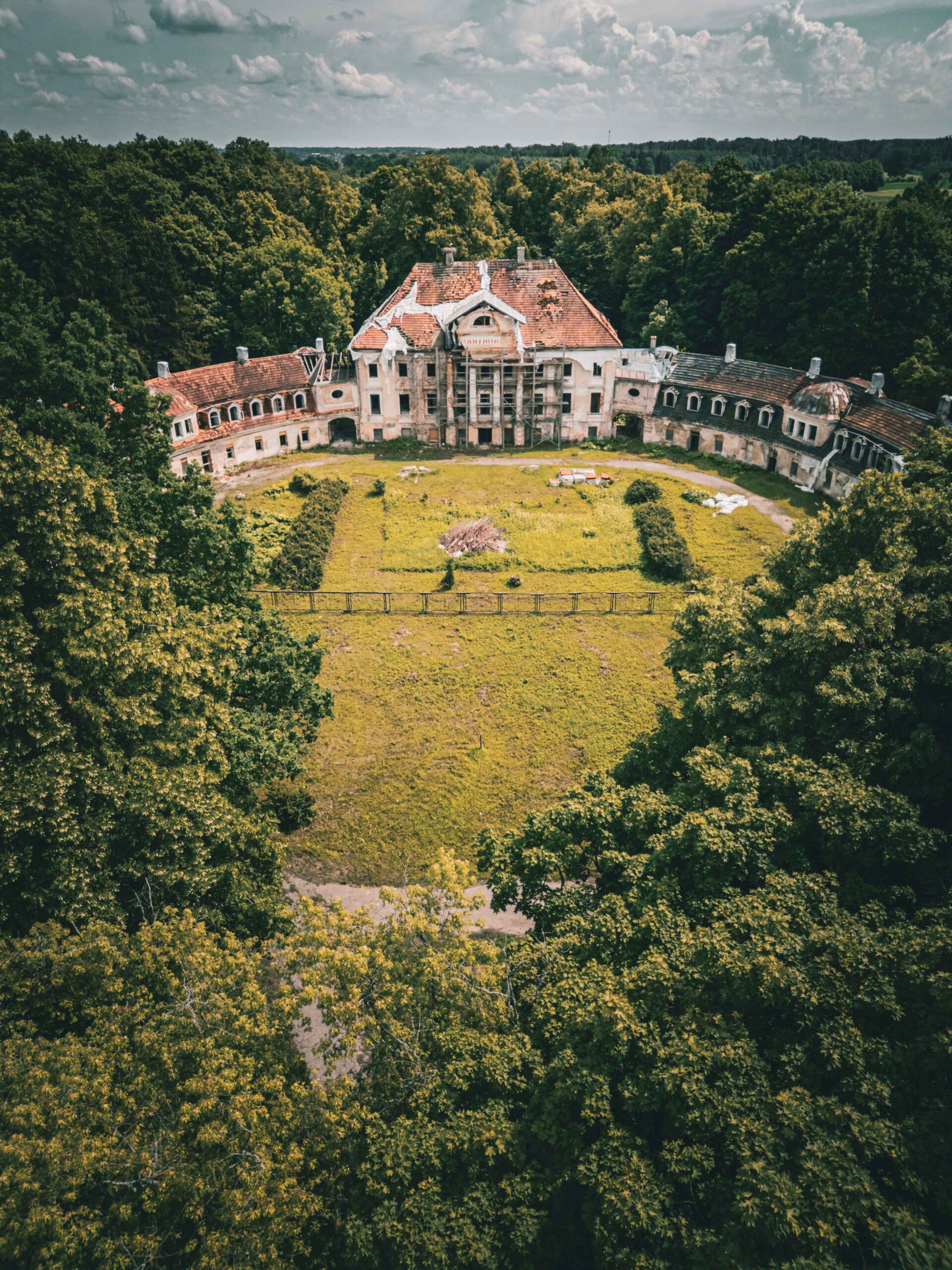
Kaucminde is an ancient manor with a history of over 500 years. It was once a luxurious residence of the von Pahlen family with a majestic palace, well-kept gardens and a hunting lodge.
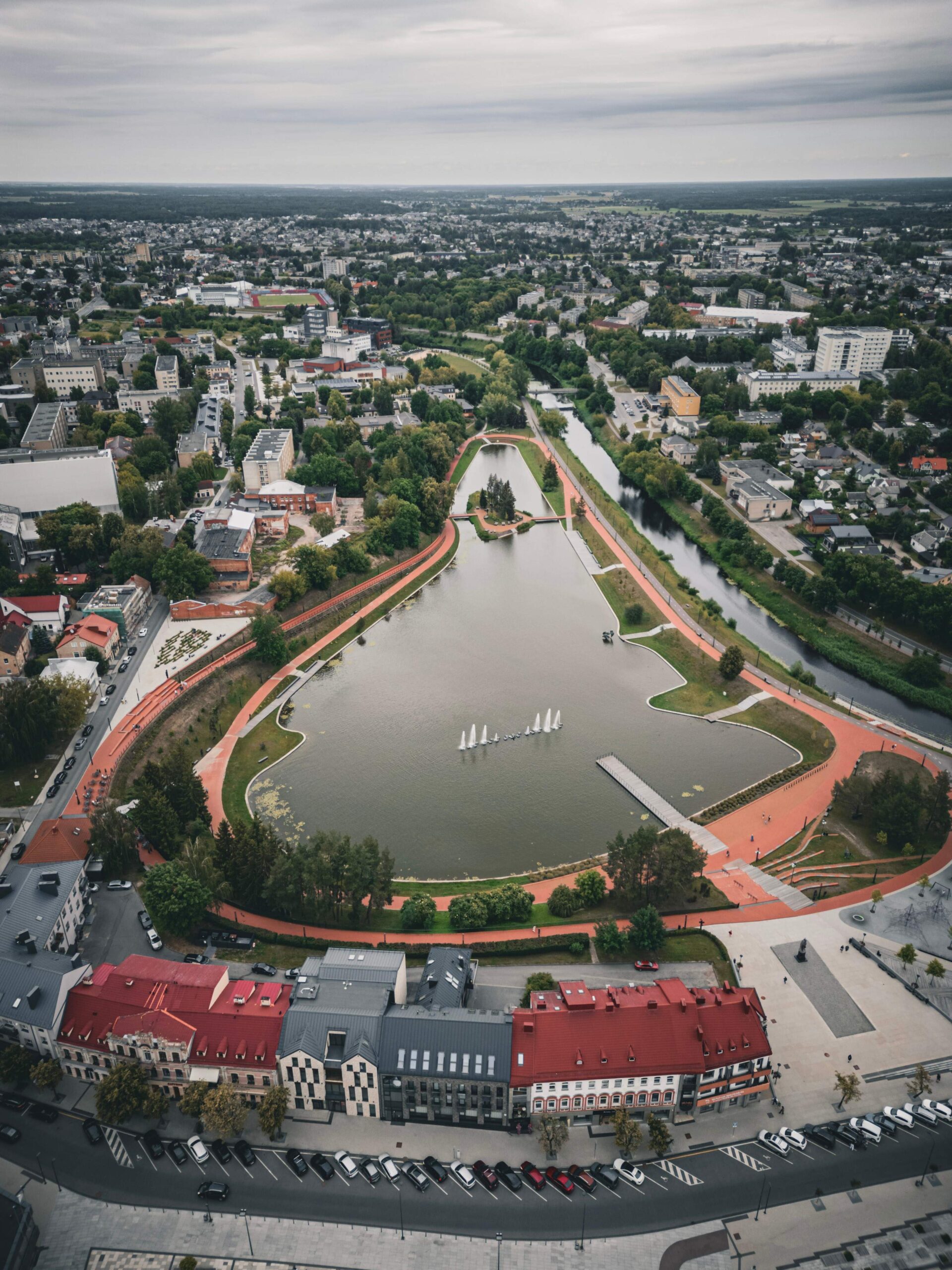
Panevėžys is one of the oldest cities in Lithuania located on both banks of the Nevėžis River.
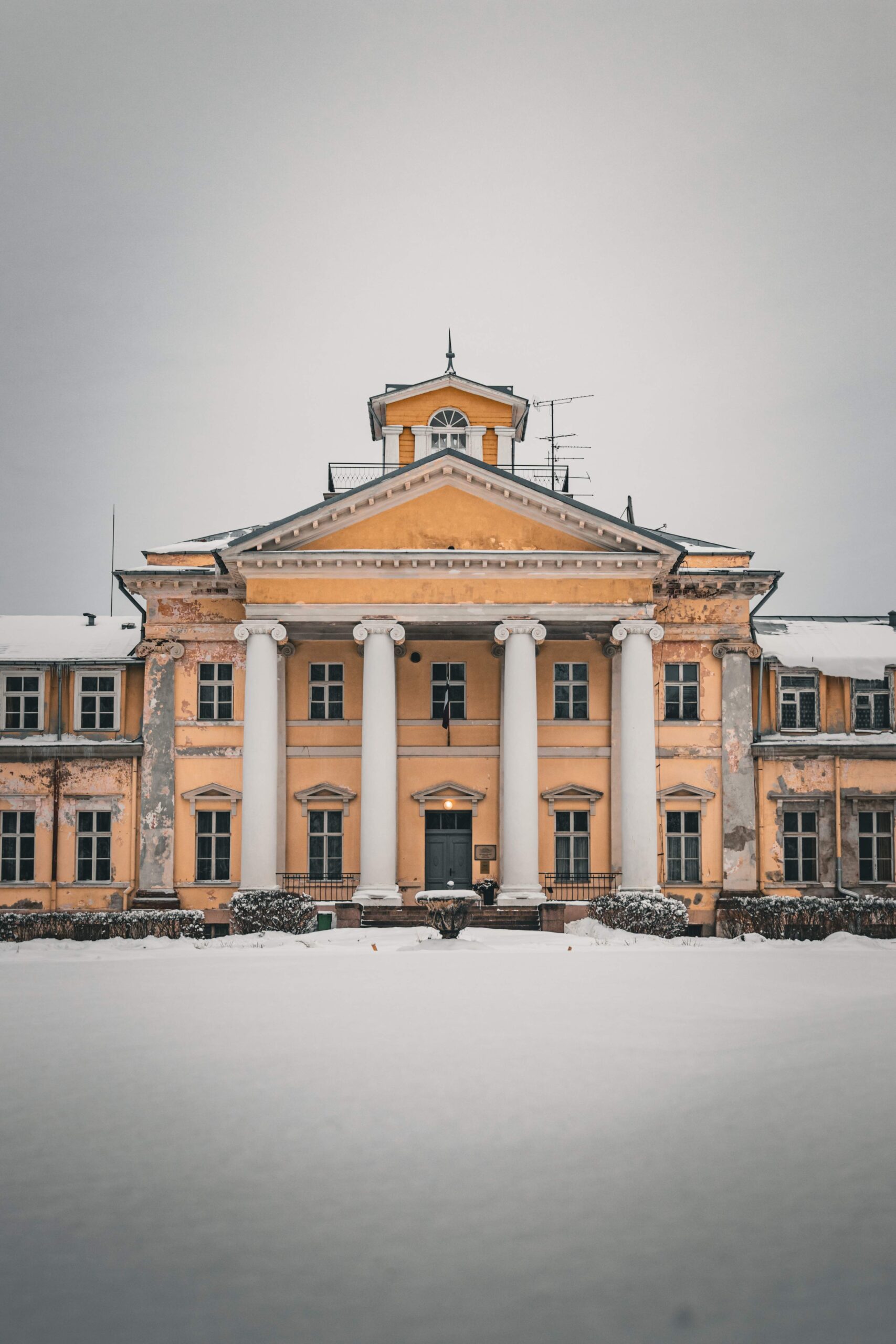
On the territory of Krimulda Manor, not only the main building has been preserved, but also the outbuildings surrounding it – stables, barn, house of servants, summer pavilion.